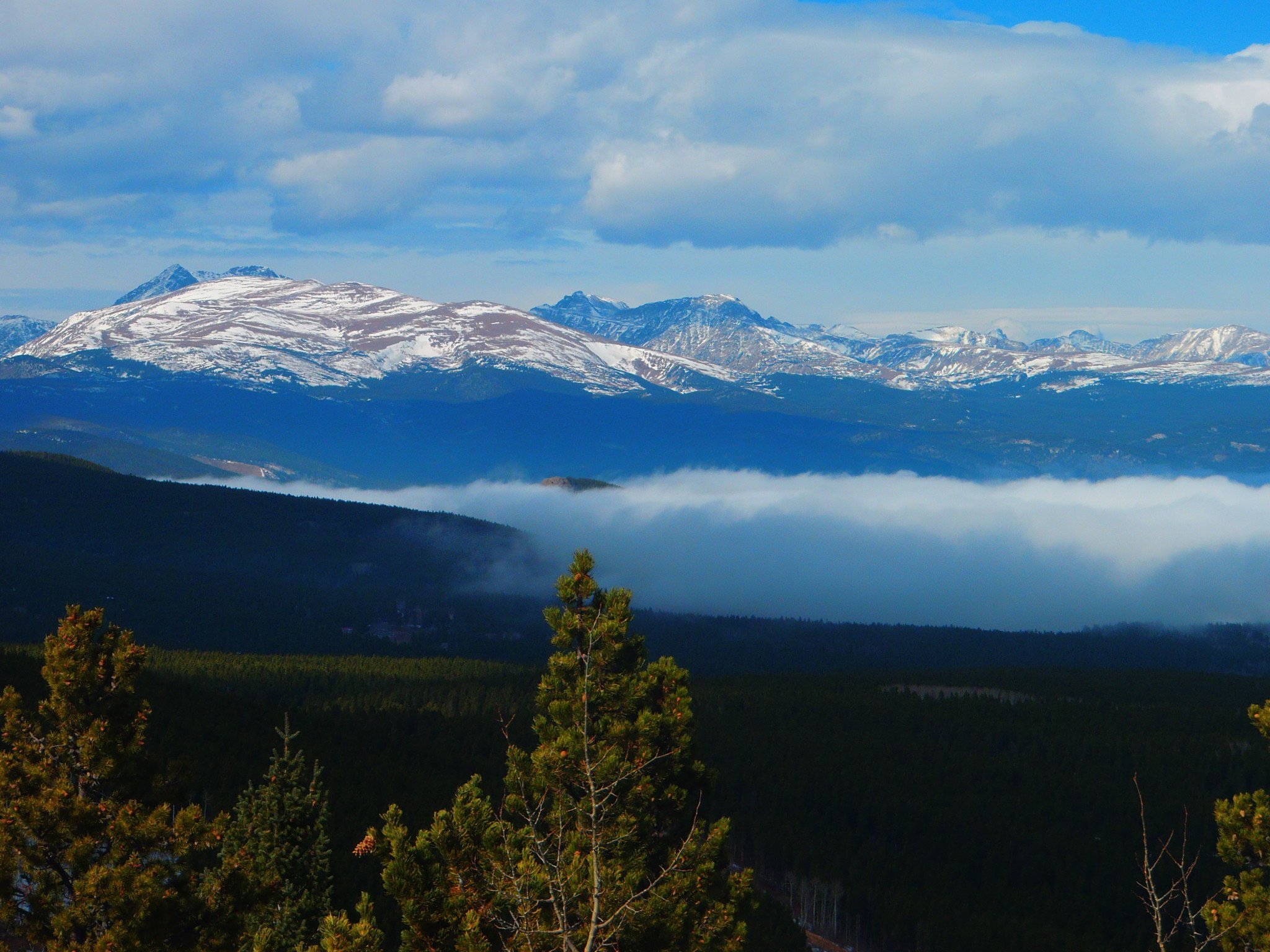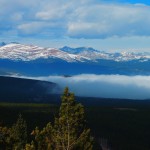
More than 12,000 acres of dense forest, rocky peaks, and aspen-rimmed meadows laced with miles of trails awaiting the hiker, horseback rider, mountain biker and winter sports enthusiast at Golden Gate Canyon State Park.
Only 30 miles from Denver, Golden Gate Canyon offers such amenities as a electrical hook-ups and tent-sites in two different campgrounds, stocked fishing ponds, picnic sites and the Panorama Point Scenic Overlook, where visitors can see 100 miles of the Continental Divide. The park’s numerous group facilities can host several types of events, from weddings to family reunions and company picnics.
Besides camping, overnight guests can also stay at one of the five cabins and two yurts at Golden Gate. In 2008, the park began renting out guest houses, a first for a Colorado State Park. Winter will find visitors cross-country skiing, snowshoeing, sledding, ice fishing and ice skating.
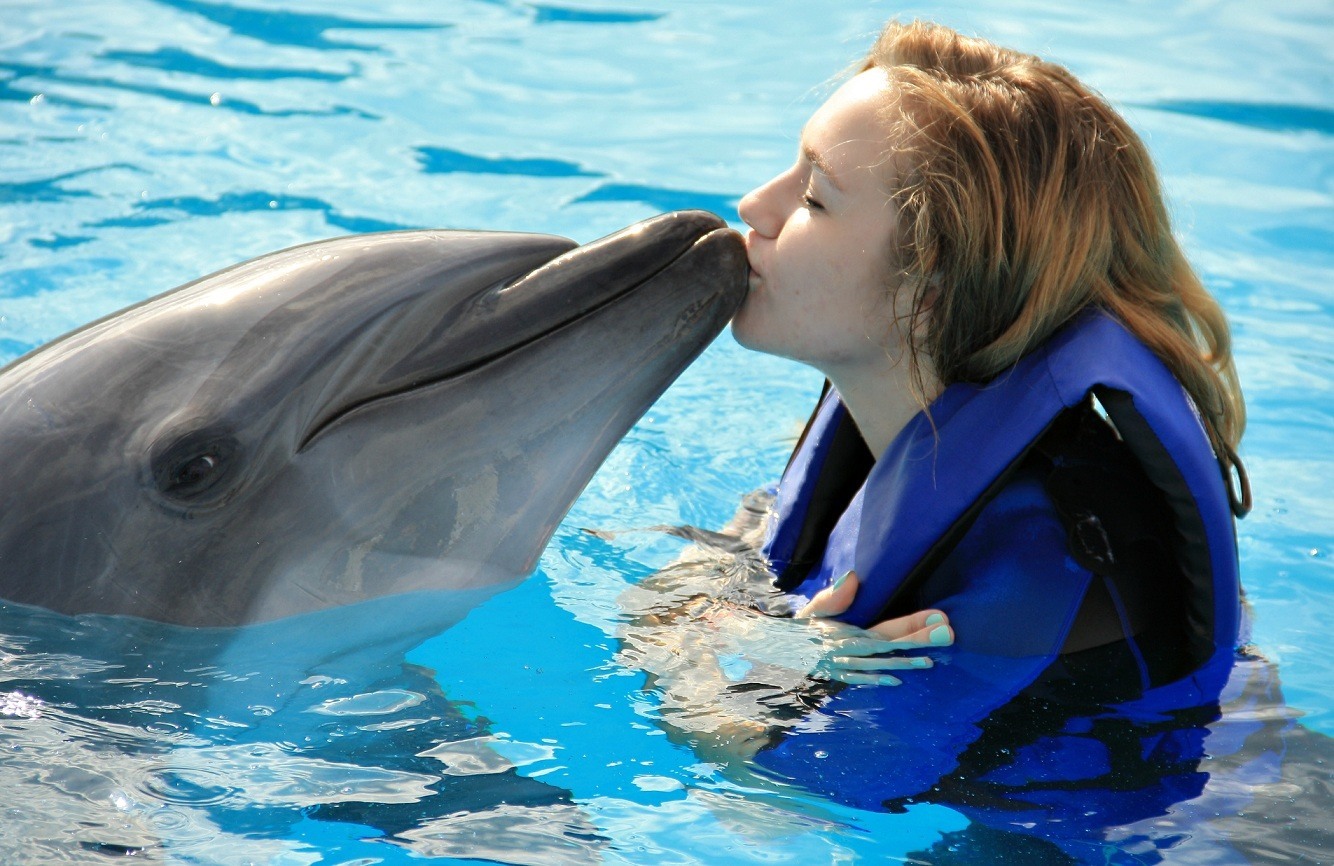
Throngs of Americans are heading south to the Caribbean right now, for the balmy sunshine, intoxicating evening breeze, turquoise waters … and the opportunity to swim with dolphins. But despite their popularity, swim-with-the-dolphin programs have a dark underbelly, and those on the inside are starting to speak out against them.
Swim-with-the-dolphin (SWTD) programs can be found all over the world, but they’ve become exceptionally popular in the Caribbean in the past decade or so. A former dolphin trainer, who spoke on the condition of anonymity, told The Dodo that these programs are inherently problematic — and cetaceans simply do not belong in captivity.
“Dolphins are beautiful and amazing creatures in their natural habitat,” says the former trainer, who requested anonymity because he still works in the Caribbean hotel industry. “But stick them in a cage, and you watch them change.”
One trainer’s story
Born and raised in the Bahamas, the trainer says he was employed at two swim-with-the-dolphin facilities in the Caribbean, and his concerns grew over his tenure. The dolphins’ holding pens were not only excessively shallow, but also far too small. At one facility, he says, more than 40 dolphins were caged in three compact cells.
In the open sea pens — as opposed to enclosed pools within a resort — debris like nails and fish hooks would float in from the ocean, he adds.
“Because they didn’t have a vet or any type of veterinary care at [this particular] facility, the dolphins would swallow things, and there would be nothing you could do about it,” he says. Though he witnessed the enclosed pens being cleaned, he claims the smell of the chlorine was so strong, it would “choke” the trainers — and that some of the animals eventually went blind because of its use.
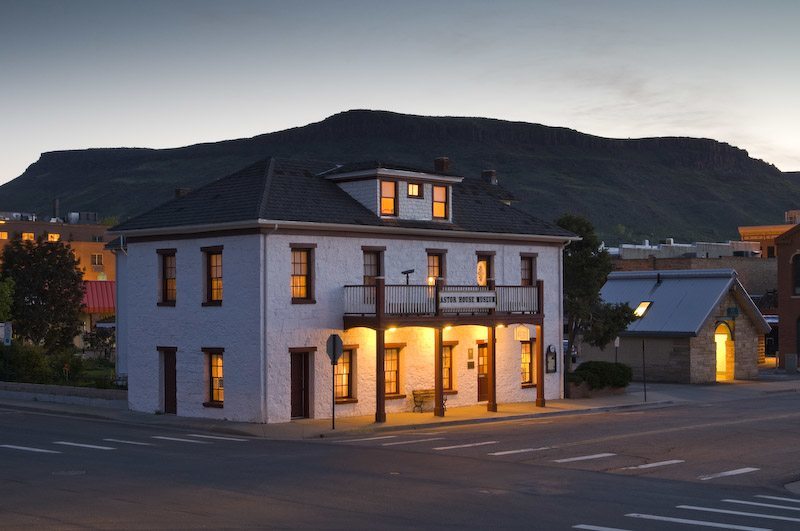
The Astor House was built in 1867 and stayed in continuous operation as a boarding and rooming house until 1971—that’s over 100 years! It rented rooms and served hot meals to lawmakers, laborers, miners, students and families, some of whom stayed for weeks or even months.
The July 31, 1867 Golden Transcript noted that “Brother Lake has adopted the modest name of ‘Astor House’ for his new stone hotel. It is a fine house, and is nearly ready for a grand opening. It is undoubtedly the Astor of Colorado, but is somewhat smaller than the house of that name in New York.”
Many boarding establishments were commonly called houses rather than hotels since they were smaller and advertised the comforts of home. By 1882, the Golden business directory proudly listed at least eight hotels or “houses.”
Although it may not appear grandiose by modern standards, the Astor House was considered quite fancy in 1867. The first stone building in Golden, it helped to establish a sense of prosperity and permanency in a growing city.
A visit to New Zealand is not complete without a journey to the very top of the North Island – Cape Reinga (Te Rerenga Wairua). Uncover the wild beauty of this vast and untouched region that is rich in Māori culture and tradition. As you travel north, enjoy a taste of New Zealand’s varying and beautiful landscape: the rolling hills of Northland’s rural countryside, breath-taking coastal views and native forest.
Drive along the sand on Ninety Mile Beach as the waves crash beside the custom-built coach. Feel the sand between your toes as you help your driver guide dig for shellfish (conditions permitting). Your off-road journey continues up Te Paki Stream, stopping at the massive sand dunes where you can experience the thrills and spills of sand-boarding. Clambering up and surfing down the dunes (if you dare!) is sure to get your heart pumping.
Visit the Puketi Kauri Forest and get up close to ancient and majestic giant kauri trees and native bush. Stroll along an elevated walkway as these graceful giants surround you, and learn about conservation efforts to preserve the forest today.
Visit Cape Reinga and hear the stories of this significant site where, according to Māori legend, spirits depart on their journey home to Hawaiki. Enjoy spectacular panoramic views, visit the iconic lighthouse, and see the point where the Tasman Sea and the mighty Pacific Ocean come crashing together. Leave a living legacy by planting a native tree at Cape Reinga (additional cost – ask your driver guide for more information).
During your Cape Reinga tour you’ll also experience another Kiwi icon: a lunch of delicious fresh fish and chips at the historic Wagener Museum at Houhora. A vegetarian option is available and can be selected when booking.
Your journey home will be equally enjoyable as your tour guide’s combination of local insight, extensive historical knowledge and fantastic sense of humour create an unforgettable adventure.