Park

ASTOR HOUSE MUSEUM

09Jan

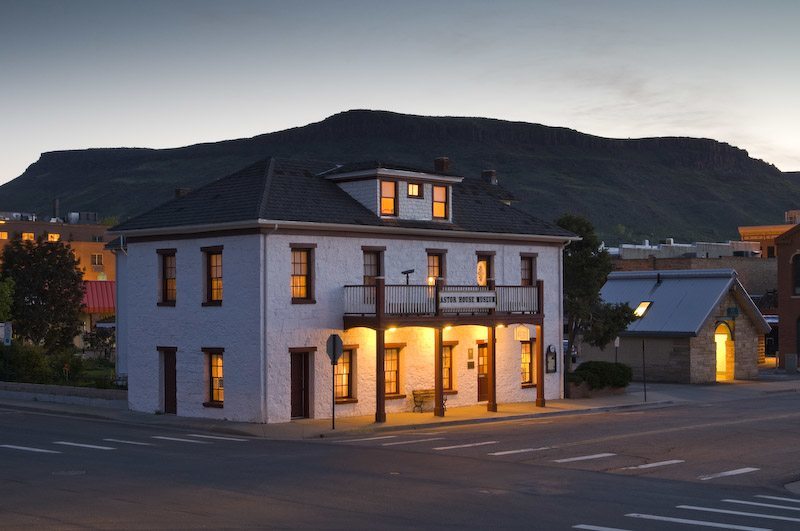
The Astor House was built in 1867 and stayed in continuous operation as a boarding and rooming house until 1971—that’s over 100 years! It rented rooms and served hot meals to lawmakers, laborers, miners, students and families, some of whom stayed for weeks or even months.

The July 31, 1867 Golden Transcript noted that “Brother Lake has adopted the modest name of ‘Astor House’ for his new stone hotel. It is a fine house, and is nearly ready for a grand opening. It is undoubtedly the Astor of Colorado, but is somewhat smaller than the house of that name in New York.”

Many boarding establishments were commonly called houses rather than hotels since they were smaller and advertised the comforts of home. By 1882, the Golden business directory proudly listed at least eight hotels or “houses.”

Although it may not appear grandiose by modern standards, the Astor House was considered quite fancy in 1867. The first stone building in Golden, it helped to establish a sense of prosperity and permanency in a growing city.
CLEAR CREEK HISTORY PARK

09Jan

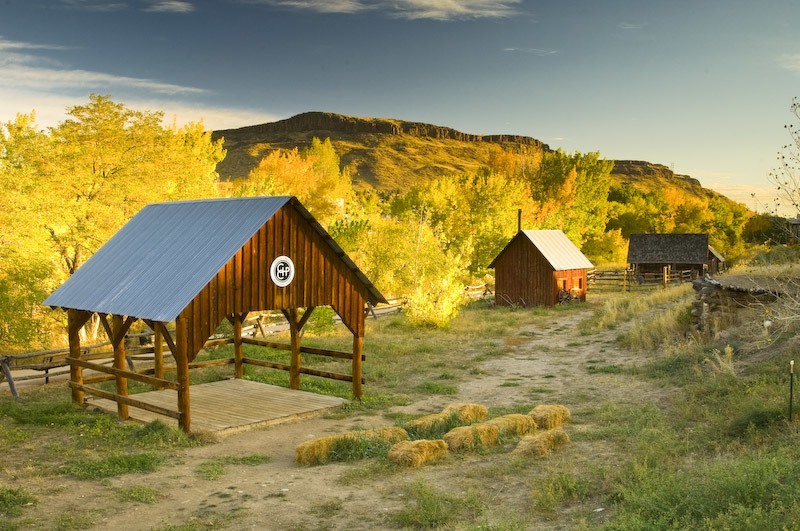
Clear Creek History Park

is home to many of the original buildings from the old Pearce Ranch in Golden Gate Canyon. Thomas and Henrietta Pearce, pictured below, raised eight children on their ranch. It was one of the largest in the area by 1912.

Stroll through this park and imagine yourself growing potatoes or raising chickens as part of a homesteading family. Peek through the windows of real 1800s cabins and see other buildings from the ranch like the barn, chicken coop and two-seat outhouse.

You can also have a glimpse of the 1876 Guy Hill schoolhouse which was originally located in the canyon too, but on a different property. It served the needs of canyon locals until 1951.

It’s only a short walk from downtown Golden which features shopping, restaurants, and more. Admission is always free.

GOLDEN GATE CANYON STATE PARK

09Jan

More than 12,000 acres of dense forest, rocky peaks, and aspen-rimmed meadows laced with miles of trails awaiting the hiker, horseback rider, mountain biker and winter sports enthusiast at Golden Gate Canyon State Park.

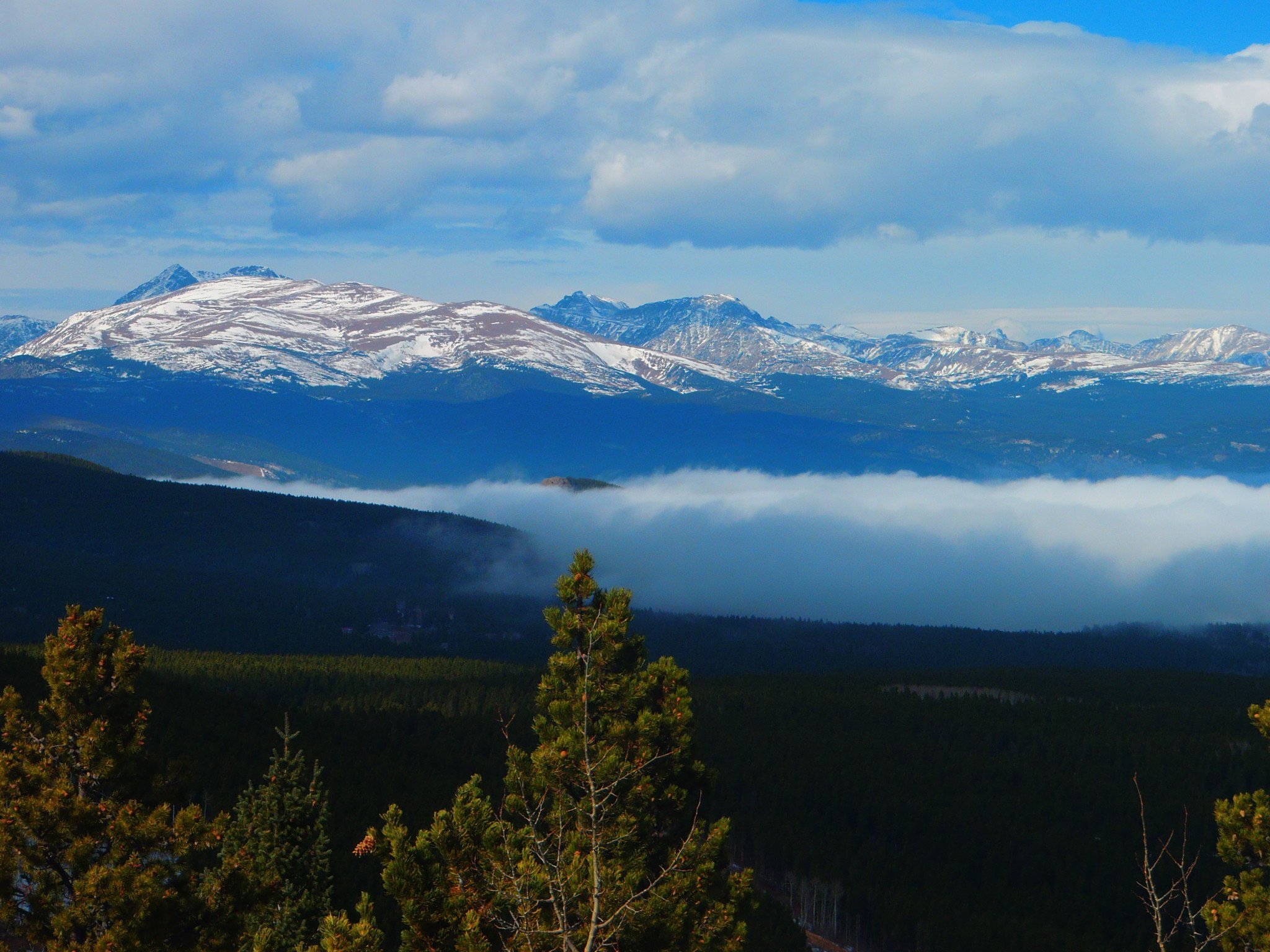
Only 30 miles fro​m Denver, Golden Gate Canyon offers such amenities as a electrical hook-ups and tent-sites in two different campgrounds, stocked fishing ponds, picnic sites and the Panorama Point Scenic Overlook, where visitors can see 100 miles of the Continental Divide. The park’s numerous group facilities can host several types of events, from weddings to family reunions and company picnics.

Besides camping, overnight guests can also stay at one of the five cabins and two yurts at Golden Gate. In 2008, the park began renting out guest houses, a first for a Colorado State Park. Winter will find visitors cross-country skiing, snowshoeing, sledding, ice fishing and ice skating.

MILLERCOORS BREWERY

09Jan

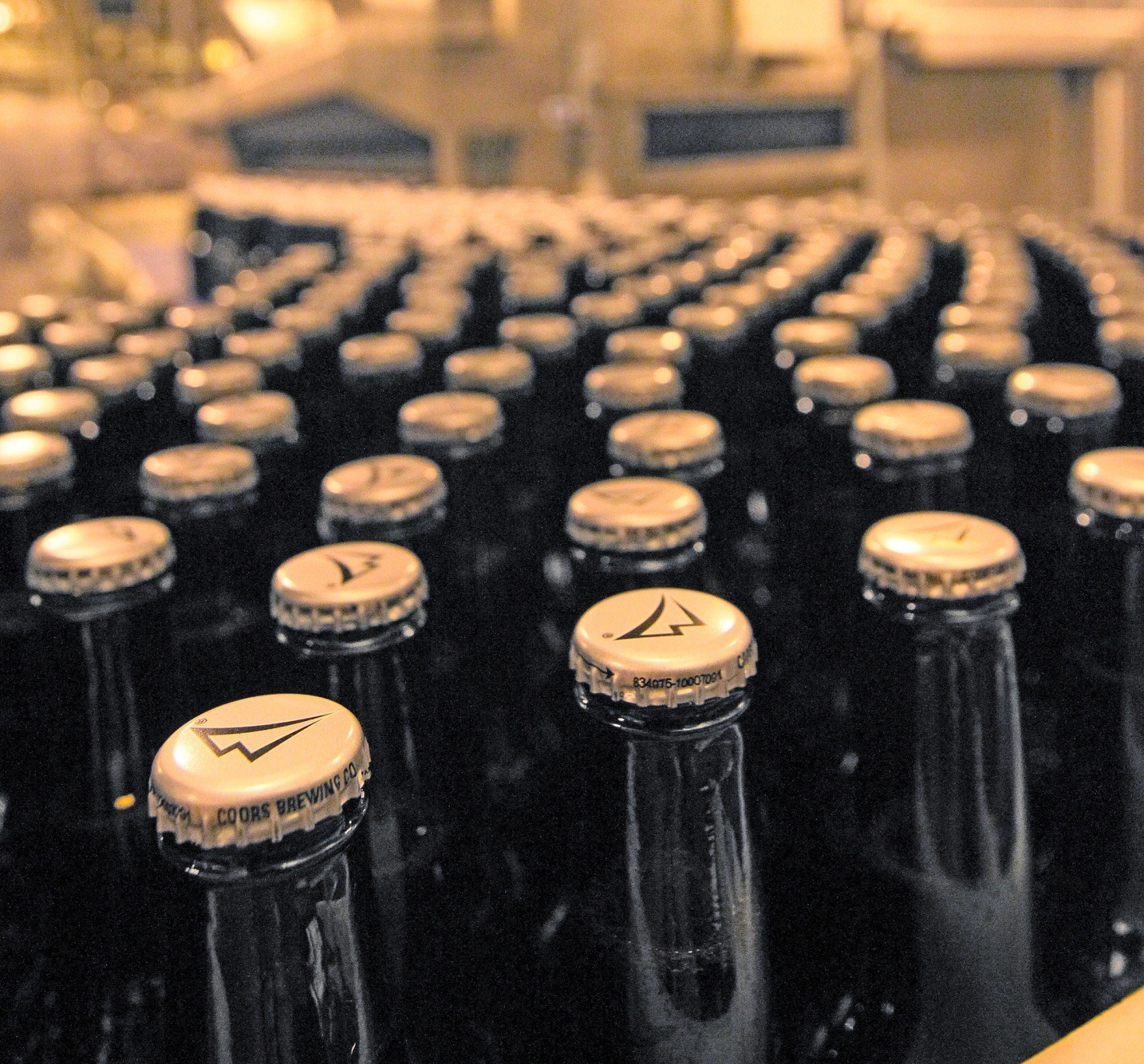
MillerCoors LLC might keep the “Miller” portion of its name, but the company’s ownership ultimately will likely all fall under the “Coors” umbrella through a pending merger of the world’s two largest brewers.

London-based SABMiller PLC, which includes Miller High Life, Pilsner Urquell and Foster’s among its brands, has accepted the latest purchase offer from Leuven, Belgium-based Anheuser-Busch InBev NV, the maker of Budweiser, Corona, Beck’s and other beers. That pending sale, announced Tuesday, is valued at around $106 billion.

The transaction would be among the world’s largest corporate mergers. The two companies together have 224,000 employees in more than 100 countries, with that head count likely to be reduced as the merged company cuts costs.

The enlarged Anheuser-Busch InBev could control up to 31% of the global beer market — if antitrust regulators allow the sale to proceed without any changes.

However, it is expected that neither the U.S. Department of Justice nor the Federal Trade Commission would approve the merger without requiring SABMiller to sell its 58% share of Chicago-based MillerCoors, said Scott Hansen, an antitrust attorney at Reinhart Boerner Van Deuren, a Milwaukee law firm.

WAITANGI TREATY GROUNDS

09Jan

The Treaty House was originally known as ‘the Residency’. It is where James Busby conducted much of his official business as the British government’s representative in New Zealand from 1833 to 1840. It was also home for James and his wife Agnes and their six children.

The original house was pre-cut in Sydney of Australian hardwood and shipped to New Zealand for assembly on site in 1834. In 1840 it consisted of a parlour, or living room, one large bedroom, a central hall and a small dressing room. A separate building housed the kitchen, store room and servants’ room. Busby added three bedrooms at the back in 1841.

The house and its associated farm remained in the family’s possession until 1882, when the estate was sold. Over the next 50 years the house was neglected and became almost derelict. After the Bledisloe purchase in 1932 it underwent major restoration work, first in 1933, when it was named the Treaty House, and again in 1990.

Today you can see the original bedroom and parlour as they might have looked in 1840. In other rooms, an exhibition features everyday life in the Busby household, on the farm and around the Bay of Islands in the 1830s and 40s. Other displays tell the story of the gift of the Waitangi estate to the nation and the restoration of the house.

American Mountaineering Center

09Jan

American Mountaineering Center came to life after a $4.3 million dollar renovation to what used to be the Golden Highscool. The AMC is the nation’s premiere facility for research, education, and information about the mountain environment. Support for the project has come from club members, the outdoor industry, and local foundations, including the Golden Civic Foundation, and the Golden Urban Renewal Authority.

The 47,000 square-foot Center houses the world-renowned American Alpine Club Library, the state of the art American Mountaineering Museum, an interactive student laboratory for educating students and other visitors, meeting space for conferenes and symposia and an indoor climbing wall. It is also home to the three owning organizations, as well as the Colorado Trail Foundation

The American Mountaineering Center is a focal point for mountaineering-related issues in the United States. Already the Center has hosted a meeting of the International Mountain Protection Commission, an international conference on managing human waste in the wild, a ground-breaking panel discussion on high altitude guiding, a symposium on adventure photography by Bill Hatcher, Ace Kvale, and Kevin Powell, the best of the Mountain film in Telluride as well as lectures and slide shows by many world-renowned climbers.